
We love Google Forms. It's free, it's easy, and it's the default way the world collects data.
But if you are using it to run your Field Team, manage IT tickets, or collect Operational Feedback, you are hurting your company.
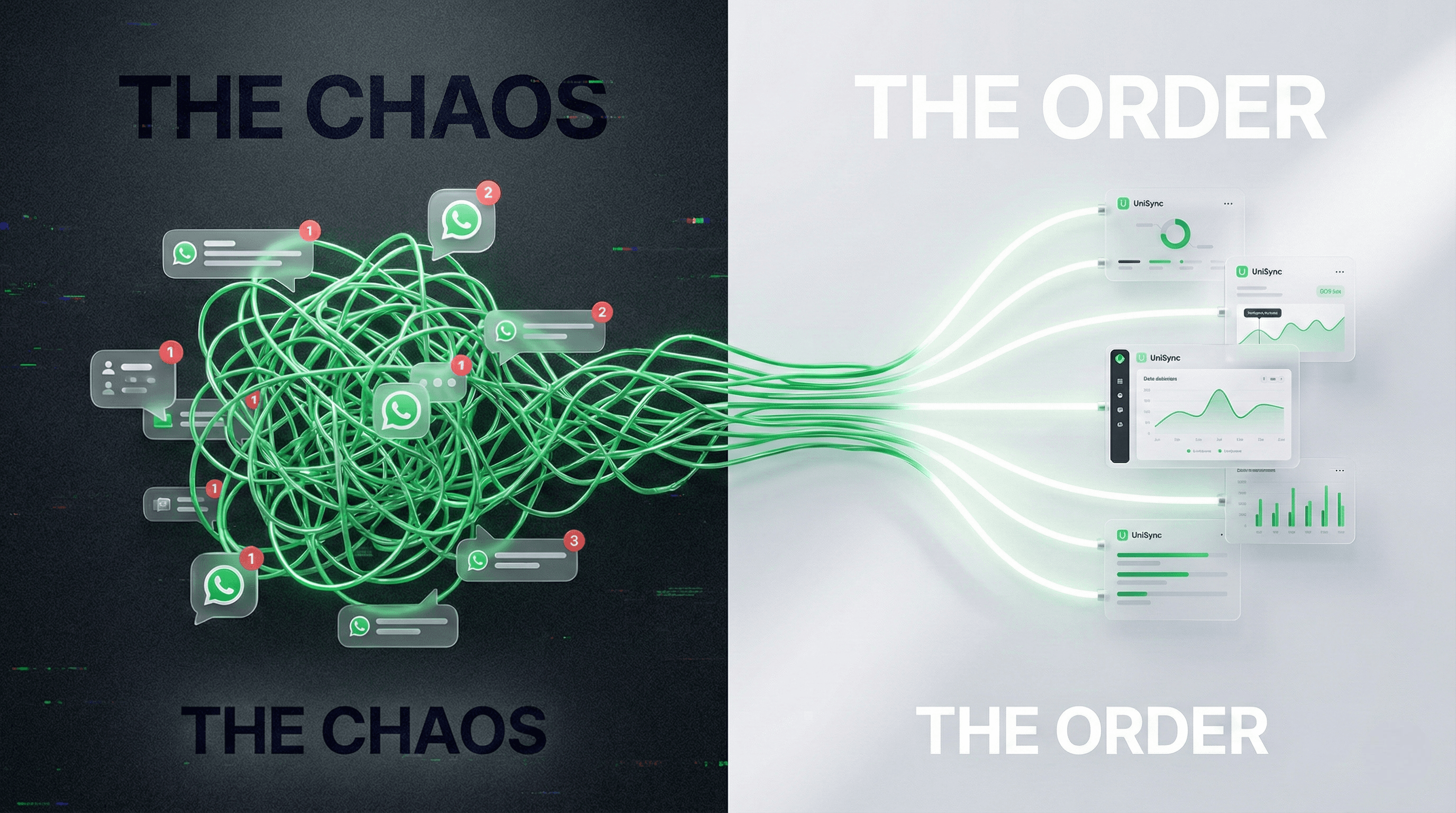
Here is the hard truth: Google Forms is a Data Collection tool. Your team needs a Workflow tool.
Here are the 3 reasons why "free" forms are actually costing you thousands in lost productivity.
1. The "Spreadsheet Graveyard" (The Admin Tax)
When an employee submits a Google Form, where does it go? Into a Google Sheet. Who owns that Sheet? Usually, one stressed-out manager.
To actually fix an issue, that manager has to:
- Open the sheet manually.
- Read row 452.
- Copy the email address.
- Open Gmail to reply.
This is the "Admin Tax." Multiply this by 20 issues a week, and you've lost hours to admin work—time you should have spent solving the actual problems.
2. The "Context Gap" (Garbage In, Garbage Out)
Google Forms is passive. It accepts whatever you type. If an employee types "The printer is broken," Google Forms says "Thanks!" and saves it.
Now you have a problem. Which printer? What is broken? Is it urgent? You have to call the employee to ask, creating a game of telephone that delays the fix.
How we fix this: UniSync prompts the user to add the missing context before they submit.
- Employee types: "Printer broken."
- System prompts: "Please specify which floor and error code."
We don't just collect data; we clean it before it reaches you.
Example in Action
Without AI:
"The process was confusing."
With UniSync AI:
"The onboarding process was confusing because the email verification step failed twice, and there was no clear error message. I had to contact support to complete it."
See the difference? One is vague and unhelpful. The other is specific, actionable, and valuable.
3. The "Black Hole" Effect
This is the culture killer. When an employee submits a Google Form, they get a generic "Your response has been recorded." Then... silence. They don't know if you read it. They don't know if you fixed it.
After three times, they stop reporting issues.
The Solution: You need a closed loop. When you mark an issue as "Resolved," the system should automatically notify the person who reported it. This builds trust and proves that speaking up actually changes things.
The Verdict
Google Forms is fine for collecting opinions or planning a lunch. It breaks down when you're trying to run daily operations.
Ready to upgrade your feedback loop? Join the UniSync Pilot